

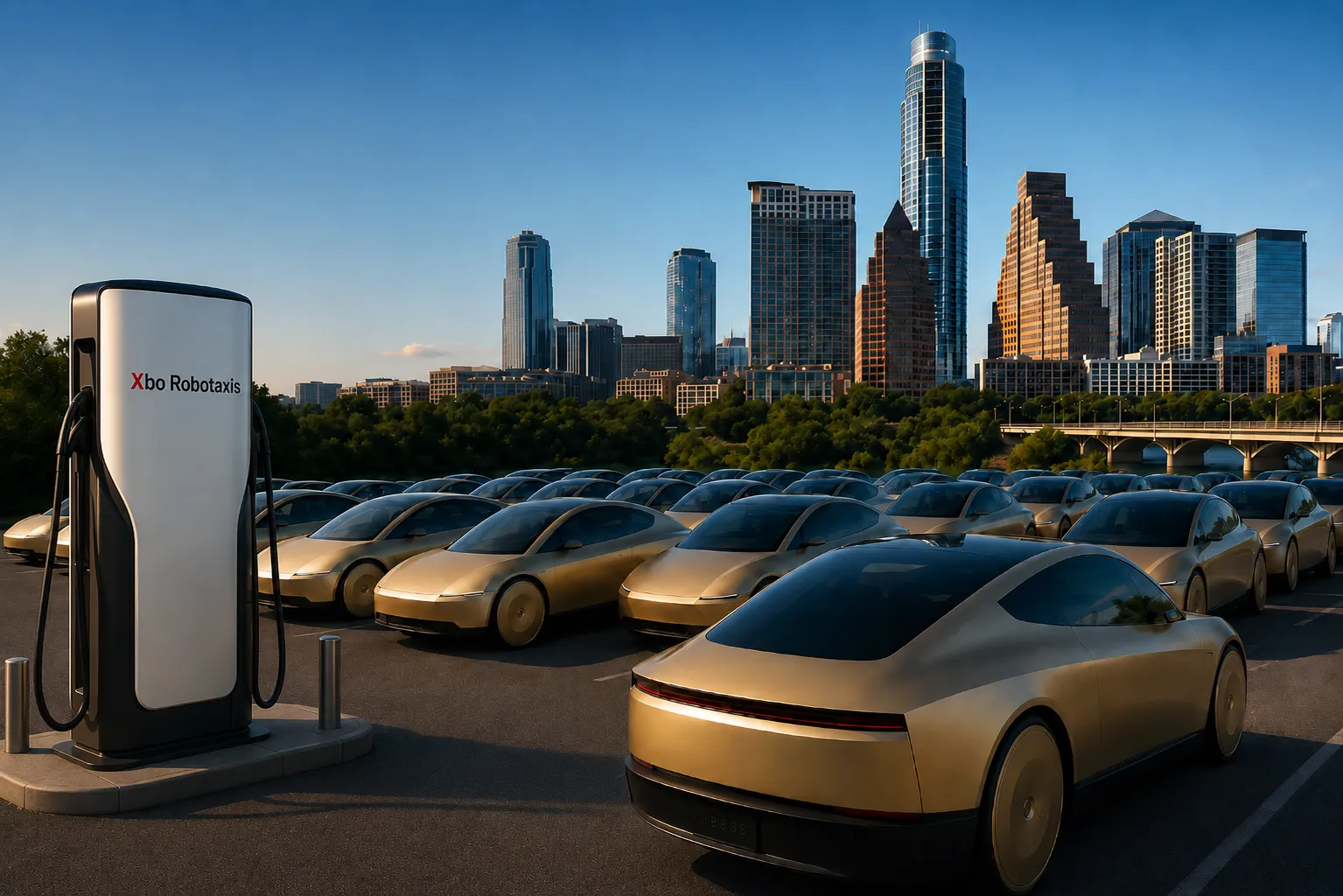
For vehicle owners
Tesla may have just launched a hundred thousand robotaxi businesses.
The entry ticket for an autonomous vehicle business falls from thirty thousand dollars to three. What a car does with that ticket rests on assumptions nobody has confirmed yet, so every one of them is on this page for you to change. The variable you actually control is how many paid miles it does in a day, and that is decided by where it is based, long before the first fare.
- Cash in to start
- $3,000
- Lease down payment on the default model, not a purchase
- Paid miles a day
- 120 mi
- The one input you control. Set by where the car is based.
- Markets tracked
- 21
- 4 live, 8 announced

The network
Every announced market is a depot problem waiting to be solved.
Each node on this map needs charge, dwell and cycling capacity. The operators who control the space set the terms.
Where the network is, and where the depots are
Pick a market to load it into the calculator. Zoom in and depot pins appear — operating Waymo yards, announced Tesla sites, and independent land that could become capacity.
Tesla robotaxi service live. Dense core plus tech-corridor highway miles.
Your fleet, your numbers
Every assumption is editable and every chart moves with it. Defaults follow the published model: $1.80 a paid mile, a 25% platform take, $0.12 a mile in energy, tires and maintenance, $500 a month insurance and $500 a month for depot space you rent rather than build. None of these is confirmed.
Your assumptions
BasePlanning assumption for a well-sited car here: 122 paid miles a day.Estimate
Purpose-built two-seater. Lowest cost per mile. Not yet released to third-party buyers.
The one variable you genuinely control, and it is decided by where the car is based.
Nothing is published. We plan on 25%. It is the largest unknown on this page.
Energy, tires and maintenance are held at $0.12 a mile for the Cybercab.
Monthly schedule
Every dollar in and out of one vehicle, and across the fleet.
| Line item | Per vehicle | Fleet (1×) |
|---|---|---|
| Gross fares | +$6,676 | +$6,676 |
| Platform fee | −$1,669 | −$1,669 |
| Energy, tires, maintenance | −$445 | −$445 |
| Insurance | −$500 | −$500 |
| Depot space | −$500 | −$500 |
| Vehicle lease | −$850 | −$850 |
| Modeled net per month | +$2,712 | +$2,712 |
Break-even is the utilization where the fares you keep cover every fixed line: vehicle, insurance and depot. Below it, the modeled car loses money every month.
Cumulative net cash, first 36 months
Starts negative by the amount you put in, then follows your inputs. Crossing zero is the modeled payback month.
Net cash by year
Each bar is that year alone, not a running total. Modeled on your inputs.
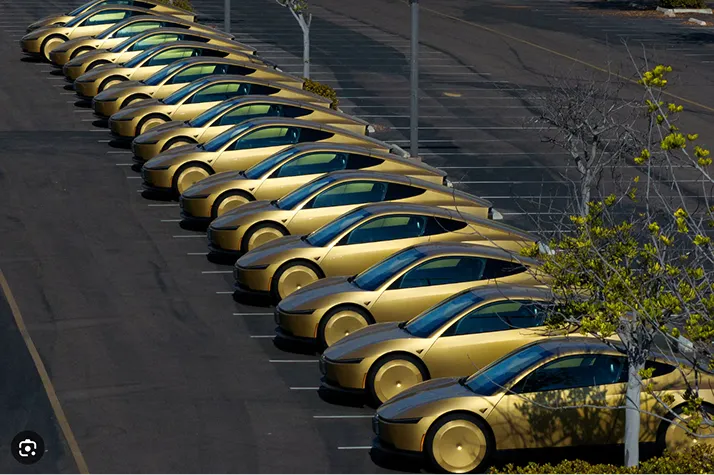
Austin
A depot is not parking. It is charge, dwell and cycle time.
Utilization is set by how fast a car can get back into service. That is a function of stall count, connector mix, available amperage and where the site sits relative to demand.

The honest part
A new kind of small business, built on numbers nobody has confirmed.
A driverless car turns a contractor with a 1099 into an entity with a lease, a commercial insurance policy, a depot agreement and a K-1. Nobody sits in the driver's seat, so the limit on how many cars one person can run stops being their working hours and becomes their access to capital and space.
The model rests on assumptions that have not been tested. No Cybercab has been delivered to an independent operator. Nobody has announced the financing. Insurance will be expensive before it is cheap. And the two numbers that move the model most, the platform fee and the fare, are Tesla's to set, not yours. A take rate of 25% builds one business. Thirty-five percent builds a different one. Results will vary and may include losses.

What we actually do
Pick the market
We rank markets on demand density, charging supply, dwell patterns, land cost and regulatory position, then show you what a well-sited car does there.
Find the capacity
Depot space is the constraint nobody priced. We size real sites against available amperage and stall count, so you know what you can actually rent.
Run the cycle
Positioning and cycling are what separate a 120-mile day from a 100-mile day. Run both through the model above and see what the gap does on your own assumptions.
Find a depot that keeps your car at five stars
Riders rate every trip, and a low rating is the fastest way for a car to lose work. Whether a car shows up clean, charged and on time is decided at the depot more than in the car. We score depots on the three things that keep a car at a five-star rider rating.
Clean between rides
Interior turned on a fixed cadence between charges, exterior washed on schedule, spot-cleaned on any rider report. A car that arrives dirty loses rating first.
Charging uptime
Stalls live when the car returns, with connector mix and amperage matched to the fleet so no car waits for power.
Maintenance turnaround
Tires, brakes and routine service on site or same day, so a fault costs hours off the road, not days.

Overnight
The cars run in the day. The site is won at night.
Overnight charge scheduling against a fixed service limit is the difference between a full fleet at 6am and a queue.
Reserve capacity for your fleet
Tell us the market and the vehicle count. We will come back with what is available and what it costs.
Have land or a building?
Depot owners: we size your site and match it against operators looking for space in your market.

Not sure which market yet?
Compare all 21 markets on the factors that set paid miles a day.